
Water Boys Slab Leaks Service
Tulsa area: (918) 5DRY-NOW | Chicago area: (312) 888-8379
When water escapes beneath your foundation, the damage builds silently.
Slab leaks are among the most serious and least understood sources of water damage a homeowner can face. The pipes are out of sight, the warning signs are easy to dismiss, and by the time most people call for help, the water has been moving through concrete and into the structure above it for weeks or months. Water Boys serves Chicago and Tulsa homeowners with fast, honest restoration when a slab leak makes itself known.
You can get more out of your site elements by making them dynamic. To connect this element to content from your collection, select the element and click Connect to Data. Once connected, you can save time by updating your content straight from your collection—no need to open the Editor, or mess with your design.
Add any type of content to your collection, such as rich text, images, videos and more, or upload a CSV file. You can also collect and store information from your site visitors using input elements like custom forms and fields. Collaborate on your content across teams by assigning permissions setting custom permissions for every collection.
Be sure to click Sync after making changes in a collection, so visitors can see your newest content on your live site. Preview your site to check that all your elements are displaying content from the right collection fields. Ready to publish? Simply click Publish in the top right of the Editor and your changes will appear live.
Slab Leak Stats
~$2,000–$10,000 — Typical cost range for slab leak repair and related restoration, depending on location and severity
1 in 20 — Approximate share of insurance water damage claims that involve slab or foundation leaks
24–48 hours — Window before mold can begin developing in wet materials above the slab
78°F+ — Temperature at which mold growth accelerates significantly in wet flooring and wall materials
Slab leaks are slow, hidden, and expensive to ignore
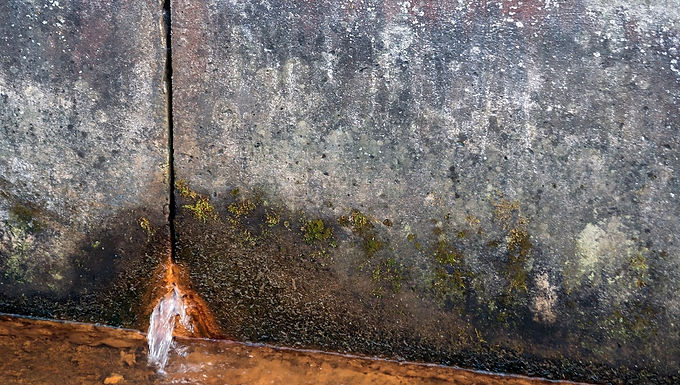
A slab leak occurs when a water line running beneath your home's concrete foundation develops a crack, pinhole, or joint failure. The water has nowhere obvious to go, so it migrates — upward through the slab, laterally through soil, and eventually into flooring, walls, and the structural materials above. Because none of this is visible, a slab leak can run for months before a homeowner notices anything unusual.
At Water Boys, we handle the damage a slab leak leaves behind. That means extracting water that has wicked into flooring and wall systems, drying the structure properly with commercial equipment, assessing for mold in affected materials, and repairing or replacing what the water has damaged. We work with your insurance company and give you a straight account of what we find.
Why Slab Leaks Happen
Slab leaks don't usually occur without cause. Most trace back to one of a handful of identifiable problems, many of which develop gradually over years.
Pipe corrosion and age. Copper pipes are the most common culprit in older homes. Over time, the interaction between copper and soil chemistry, water chemistry, or concrete itself causes the pipe wall to thin and eventually fail. In homes built before the 1980s, this process is well underway in most of the buried plumbing. Galvanized steel pipes, used in even older construction, corrode from the inside out and present similar risks.
Abrasion from movement and friction. Water lines beneath a slab are in contact with concrete, gravel, and soil. When pipes expand and contract with temperature changes, or when the slab shifts slightly due to soil movement, the pipe exterior rubs against surrounding material. Over years, this abrasion wears through the pipe wall at contact points — most commonly at bends, hangers, or wherever the pipe changes direction.
Poor original installation. Pipes that were kinked, improperly joined, or installed under tension during construction are more likely to fail earlier than well-installed lines. Damage that occurred during the pour of the slab itself — from equipment, from concrete pressure, or from improper bedding — can also create weak points that take years to become full leaks.
High water pressure. Chronic high pressure puts constant stress on pipe walls and joints. Most residential systems are designed to operate between 40 and 80 PSI. When pressure runs consistently above that range, the accelerated wear on underground plumbing can shorten the life of buried lines significantly.
Soil movement and foundation shifting. Expansive clay soils, drought conditions, and seismic activity can all cause the ground beneath a slab to shift. When the foundation moves and the buried pipes don't move with it uniformly, stress concentrates at joints and bends. In areas with significant seasonal soil expansion and contraction — which includes much of the Midwest and South — this is a persistent risk for older homes.
Hot water line failures. Hot water lines beneath slabs fail more frequently than cold water lines. The repeated thermal cycling — expanding when hot water runs, contracting when it stops — creates cumulative fatigue in pipe walls and joints over time. If a slab leak is confirmed, the hot water side is the more likely source.
Warning Signs You May Have a Slab Leak
Because slab leaks are underground, the signs tend to be indirect. Any of the following warrants investigation, particularly in a home with older plumbing.
A water bill that has risen without explanation. A pressurized line leaking beneath a slab runs continuously. Even a small leak will register on your meter and show up in your monthly usage. If your bill has climbed with no change in habits, check your meter with all fixtures off — if it's still moving, water is going somewhere.
The sound of running water when nothing is on. Water escaping a pressurized line creates a hissing or rushing sound that can sometimes be heard through flooring or walls, particularly at night when the house is quiet.
Warm or hot spots on the floor. A leak from a hot water line beneath the slab releases heat upward through the concrete. Isolated warm patches on a tile or hardwood floor, especially in areas without radiant heating, are a common slab leak indicator.
Cracks in flooring, baseboards, or walls. As water migrates upward and saturates the materials above the slab, it can cause flooring to shift, buckle, or crack. Wall cracks near the floor line and separating baseboards are also associated with slab movement caused by water intrusion.
Damp or wet carpet or flooring with no surface explanation. Moisture wicking up through a slab will saturate flooring from below. If an area of carpet or hardwood feels wet or soft and there's no obvious surface source, look underneath.
Mold or mildew smell at floor level. The underside of flooring sitting on a wet slab is a near-ideal environment for mold. A persistent musty odor at floor level, particularly in a specific area of a room, often points to moisture coming up from below.
Unusually low water pressure. A significant leak beneath the slab bleeds pressure from the supply system. If pressure has dropped noticeably at fixtures throughout the house, it's worth ruling out a slab leak alongside other causes.
How Slab Leaks Damage Your Home
The damage from a slab leak rarely stays contained to the concrete. Water follows the path of least resistance, and in most homes that path leads directly into the materials and systems above the foundation.
Flooring damage. Hardwood flooring sitting on a wet slab will cup, buckle, and stain. Engineered wood fares somewhat better but is still vulnerable to prolonged moisture exposure. Tile itself may survive, but the adhesive and grout beneath it can fail, creating loose or hollow tiles. Carpet and pad sitting on a wet slab become saturated from below and typically cannot be saved once mold sets in.
Subfloor and slab surface deterioration. Where a wood subfloor sits above the affected area, it will absorb moisture from below and begin to soften and degrade. Concrete slabs themselves can develop surface deterioration where water is consistently present, and efflorescence — the white mineral deposits left as water evaporates — is a visible marker of long-term moisture movement through the slab.
Wall and baseboard damage. Water that migrates laterally after coming up through the slab will wick into drywall at floor level. The bottom course of drywall in affected rooms is frequently saturated and must be removed to allow the wall cavity to dry. Baseboards absorb moisture readily and often show visible swelling or separation before the drywall behind them is visibly affected.
Mold in flooring, walls, and cavities. The space between a wet slab and the flooring above it is dark, warm, and consistently moist — ideal conditions for mold. Once mold establishes itself in flooring underlayment, wall cavities, or the bottom of drywall, remediation requires removal of the affected materials, not just drying. The longer a slab leak runs undetected, the more likely significant mold remediation becomes part of the project.
Foundation integrity over time. While a single slab leak doesn't typically compromise a foundation immediately, chronic or repeated leaks beneath a slab accelerate soil erosion and can create voids beneath the concrete. Over time, this contributes to settlement, cracking, and structural movement that extends well beyond the original plumbing problem.
Common Complaints About Other Restoration Companies
Slab leak restoration is complex, and some restoration companies take advantage of that complexity. Here's what we hear from homeowners who've had difficult experiences, and how we approach things differently.
"They told me the whole floor had to come out. A second opinion said half of it was fine." Water Boys: We use moisture meters and thermal imaging to map exactly where water has traveled. We remove what needs to come out and dry what can be dried in place. If the scope is smaller than you feared, we'll tell you that honestly.
"They left drying equipment running for weeks and I have no idea if it was actually necessary." Water Boys: Drying decisions are driven by moisture readings, not by a calendar or a daily equipment rental rate. We document readings throughout the process and pull equipment when the data says the structure is dry.
"Nobody explained what was happening or what came next. I was just waiting for them to show up." Water Boys: You'll have a real point of contact from day one. We explain what we find, what the drying process looks like, and what comes next at each stage. Our reviews consistently reflect that communication is something we take seriously.
"The invoice was enormous and full of line items I couldn't understand." Water Boys: We document everything and explain every charge. When we work with your insurer, we prepare accurate scopes that reflect the actual work required. We don't inflate claims or add padding to take advantage of the complexity of a slab leak project.
"They said they could handle it but clearly had no idea how to document it for insurance." Water Boys: Water damage restoration is all we do. We know how to document a slab leak loss properly — from initial moisture mapping through the full drying and repair process — so your insurance claim is supported by accurate, professional records from start to finish.
Frequently Asked Questions
What should I do if I suspect a slab leak?Stop using water in the affected area if possible and call a plumber to confirm the leak location. Then call a water damage restoration company right away — even before the plumber has finished their work. The sooner extraction and drying begin, the less damage accumulates in flooring and wall systems. Water Boys can be on site quickly and will coordinate with your plumber so both sides of the problem are addressed simultaneously.
Does homeowner's insurance cover slab leak damage? It depends on the policy and the circumstances. Most standard homeowner's policies cover the resulting water damage — the flooring, drywall, and other materials the water has affected — but not the cost of repairing the pipe itself or breaking through the slab to access it. Coverage for the slab access and pipe repair often falls under a separate endorsement. Call your agent promptly, and make sure whoever handles the restoration documents the damage thoroughly from the start. Water Boys works directly with insurers and can support that process.
How is a slab leak actually repaired? That's the plumber's side of the job, but the most common approaches are direct access — breaking through the slab at the leak location to repair or replace the section of pipe — or rerouting, where a new line is run above the slab to bypass the failed section entirely. In some cases, pipe lining or epoxy coating methods are used. The right approach depends on the pipe material, the leak location, and the overall condition of the buried plumbing. Your plumber will make that determination.
How long does restoration take after a slab leak? It depends on how long the leak ran and how far water traveled into building materials. Water extraction and initial setup can happen the same day. Structural drying typically takes three to five days with commercial equipment running continuously, though heavily saturated materials or confined spaces can extend that. If there is mold or significant material damage — flooring, drywall, or subfloor that needs to come out — the full project will take longer. We give you a realistic timeline based on what we actually find.
Can you tell me whether I have a mold problem before committing to a full remediation? Yes. We assess the affected areas and document what's present before recommending a scope of work. If mold is found, we explain exactly where it is, what materials are affected, and what remediation requires. We don't use the possibility of mold to push a larger project than the situation actually calls for.
How can I reduce the risk of a slab leak in the future? Have your water pressure tested and regulated if it consistently runs above 80 PSI. If your home has original copper or galvanized plumbing and is more than 40 years old, a plumbing inspection is worth scheduling proactively. In areas with expansive clay soils, maintaining consistent soil moisture around your foundation — particularly during drought conditions — reduces the movement that stresses buried pipes. And if you've had one slab leak, have a plumber evaluate the overall condition of your buried lines rather than assuming the repaired section was the only vulnerable point.
A slab leak won't fix itself. The longer it runs, the more it costs.
Call Water Boys for fast, honest restoration — no pressure, no surprises, no scare tactics.
Tulsa area: (918) 5DRY-NOW | Chicago area: (312) 888-8379