
Water Boys Sump Pump Water Damage Cleanup Service
Tulsa area: (918) 5DRY-NOW | Chicago area: (312) 888-8379
When the sump pump goes down, the water comes up.
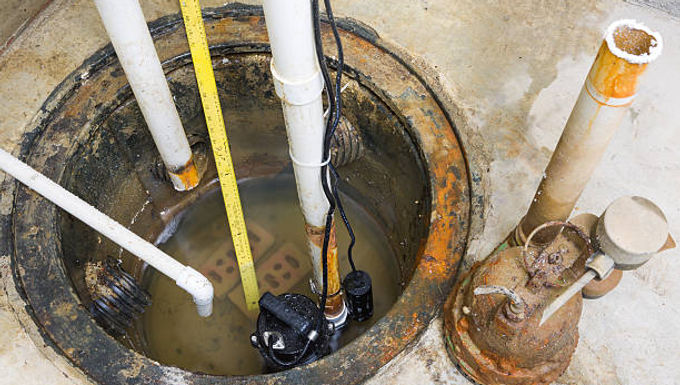
Most homeowners don't think about their sump pump until it's too late. It runs quietly in the background, sometimes for years. But when it fails, it usually does so right in the middle of a heavy storm, when you need it most. What follows can be thousands of dollars in damage within hours.
You can get more out of your site elements by making them dynamic. To connect this element to content from your collection, select the element and click Connect to Data. Once connected, you can save time by updating your content straight from your collection—no need to open the Editor, or mess with your design.
Add any type of content to your collection, such as rich text, images, videos and more, or upload a CSV file. You can also collect and store information from your site visitors using input elements like custom forms and fields. Collaborate on your content across teams by assigning permissions setting custom permissions for every collection.
Be sure to click Sync after making changes in a collection, so visitors can see your newest content on your live site. Preview your site to check that all your elements are displaying content from the right collection fields. Ready to publish? Simply click Publish in the top right of the Editor and your changes will appear live.
At Water Boys - serving the Chicago and Tulsa areas - we've seen what sump pump failures do to basements and lower levels. We know how to get the water out, dry things down, and assess the full scope of the damage, quickly and honestly. You can call Water Boys now, or read on to find out more about sump pump failure.
Sump Pump Stats
60%+ of U.S. homes have moisture in their basement or crawl space
7–10 years is the average sump pump lifespan before replacement is needed
~$4,500 average all-in cost of a flooded basement restoration
98% of U.S. basements will experience water damage in their lifetime
Why Sump Pumps Fail
Sump pump failures are rarely random. Most have a clear cause - and knowing what they are can help you catch the warning signs before the next big storm.
Power outages: Standard sump pumps run on your home's electricity. When a storm knocks the power out, the pump goes with it - exactly when you need it most. Without a battery backup, your basement is unprotected during the worst weather.
Old age and worn components: Most sump pumps last 7 to 10 years. As internal parts corrode and wear down, the motor becomes less reliable - and older pumps tend to fail at peak demand, not during quiet periods. If your pump is past that window, it's a liability.
Stuck or faulty float switch: The float switch tells the pump when to turn on. If it gets stuck in the off position, the pump never activates. If it sticks in the on position, the motor runs constantly and burns out. Either way, you end up with water damage.
Clogged or frozen discharge line: The discharge pipe carries water away from your home. If it gets blocked by debris, ice, or an improper termination point, water has nowhere to go - it backs up into the pit and overflows into your basement.
Overwhelmed capacity: A pump that's undersized for your home's drainage needs or your region's rainfall can simply be outrun by the volume of water during a heavy storm or rapid snowmelt. One pump isn't always enough, especially in high-water-table areas.
Poor installation or wrong pump type: A pump that wasn't installed correctly, or that wasn't the right type for your setup, will underperform from day one. Incorrect sizing, improper placement, or missing check valves all create failure points that show up during heavy use.
Warning Signs Your Sump Pump May Be Failing
Your pump will usually give you some signals before it goes out completely. Here's what to watch for - especially if your pump is getting up there in age.
Unusual noises
Grinding, rattling, or gurgling sounds can mean a jammed impeller, worn bearings, or debris caught in the pump.
Running constantly or never turning off
This usually points to a stuck float switch or a pump that's undersized for the water volume it's dealing with.
Visible rust or corrosion
Surface rust often means more significant corrosion inside, including on the motor and float components.
Pump is 7+ years old
Even a pump that seems to be working fine can fail without warning once it's past its expected lifespan.
Musty smell near the sump pit
Odors can indicate stagnant water in the pit, mold growth, or a discharge line that isn't routing water far enough away.
Pump doesn't activate during heavy rain
Test your pump periodically by pouring water into the pit. If it doesn't kick on, something's wrong.
How Can Sump Pump Failure Damage Your Home?
Water in a basement moves fast. Within hours of a sump pump failure during heavy rain, the damage to your home can be extensive - and some of it isn't immediately visible.
Flooded basement and ruined belongings: Furniture, appliances, stored valuables, finished flooring, and drywall are all at risk the moment standing water enters the space. Some of it is irreplaceable; most of it is expensive to replace or restore.
Structural damage to walls and flooring: Even a few inches of water can saturate drywall, warp hardwood, buckle laminate, and compromise the structural integrity of load-bearing materials. Water that sits long enough will reach the framing and subfloor.
Mold growth within 24 to 48 hours: Mold can begin developing within 24 to 48 hours of a flood event in warm, humid conditions. Once it takes hold in drywall, insulation, or wood framing, remediation becomes a much larger and more expensive project.
Electrical hazards: Water and electrical systems are a dangerous combination. Outlets, junction boxes, water heaters, HVAC equipment, and any appliances in the basement can all be compromised - creating shock and fire risks that require professional assessment.
Foundation damage over time: Repeated basement flooding or chronic moisture puts pressure on foundation walls and accelerates the deterioration of concrete. What starts as a water problem can become a foundation problem if it goes unaddressed.
Reduced home value and inspection issues: Evidence of water intrusion in a basement - staining, efflorescence, mold, or damaged materials. It can complicate sales, reduce your home's appraised value, or trigger required disclosures.
Are you also dealing with mold? Our team can handle that, too.
Common Complaints About Other Water Damage Restoration Companies
Sump pump failures are stressful, and some restoration companies make the situation worse. Here's what we hear from homeowners who've been burned before - and how we operate differently.
"They showed up unannounced and pressured me to sign right away." Some restoration companies use disaster-chasing tactics - showing up uninvited after storms and pushing homeowners to sign contracts while they're panicked and vulnerable.
Water Boys: We don't door-knock or chase disasters. You call us, we come. No pressure, no hard sell - just a clear explanation of what we found and what it takes to fix it.
"The invoice was full of line items I didn't recognize or understand." Vague billing, unexplained overhead charges, and padding for extra equipment days are common complaints against larger restoration franchises - especially when they're billing directly to insurance.
Water Boys: We document everything and explain every step. We work directly with your insurance company and don't inflate scopes to pad the bill.
"They said I had black mold and needed a full gut job - turned out I didn't." Using fear of mold or structural failure to upsell unnecessary work is one of the most common complaints against restoration companies. Homeowners in an emergency are easy targets for this kind of pressure.
Water Boys: We assess honestly. If the scope is smaller than you feared, we'll tell you that. Our business model doesn't depend on making your problem sound worse than it is.
"They left equipment running for weeks and billed for every day." Industrial drying equipment is necessary, but some companies leave it running well past what moisture readings actually justify, and charge accordingly. It's one of the most common padding tactics in the industry.
Water Boys: We use moisture readings to determine when drying is complete - not a calendar. Equipment comes out when the data says it's dry, not a day later.
"They were impossible to reach once the job started." Communication drops off after the initial sign-up with some companies. Homeowners report not knowing what's happening, when crews will show up, or what phase of the project they're in.
Water Boys: You get a real point of contact throughout the job. Our reviews consistently highlight communication as one of the things we do well, and we work to keep it that way.
"They weren't really specialists - they were a plumber trying to do restoration." Plumbers and general contractors sometimes take on water damage restoration work without the proper training, certification, or insurance documentation required to handle claims correctly.
Water Boys: Water damage restoration is all we do. We're licensed, insured, and certified, and we know how to document the damage properly for your insurance claim.
Frequently Asked Questions
What should I do immediately after my sump pump fails and floods my basement? First, make sure the area is electrically safe before you enter. If water has reached outlets, appliances, or your electrical panel, don't go in without professional guidance. Then call a water damage restoration company. The faster you get water extracted and drying started, the less damage you'll have to deal with. Don't try to mop it up yourself and wait to see what happens. By the time mold sets in (24 to 48 hours), the project gets significantly more involved and expensive.
Does homeowner's insurance cover sump pump failure water damage? Standard homeowner's insurance policies typically don't cover sump pump failure water damage automatically. It usually requires a separate water backup or sump pump rider. However, coverage varies significantly by policy and insurer, so it's worth calling your agent immediately. Even if you're not sure whether you're covered, loop in a restoration company that can document the damage properly from the start. Water Boys works directly with insurers, so we can help navigate that process.
How quickly can water damage from a sump pump failure get serious? Very quickly. Within the first hour, water saturates flooring materials and begins wicking into walls. Within 24 hours, mold can begin to develop in warm, humid conditions. Structural materials - drywall, wood framing, subfloor - start breaking down with prolonged exposure. The general rule is: the faster you act, the less you'll pay.
Do you also fix or replace the sump pump itself? Our specialty is water damage restoration - extracting the water, drying the space, and assessing and repairing the damage the flood left behind. For sump pump repair or replacement itself, you'll want a licensed plumber. In many cases, we'll be working alongside a plumber simultaneously - we take care of the restoration side while they address the pump. We're happy to help coordinate that if you need a referral.
How long does restoration take after a sump pump failure? It depends on how much water entered, how long it sat, and what materials were affected. Water extraction can happen the same day. Structural drying typically takes 3 to 5 days with commercial equipment running continuously. If there's mold or significant material damage (drywall, flooring, framing), the full project can take longer. We'll give you a realistic timeline upfront based on what we actually find, not a best-case estimate.
How can I prevent sump pump failure in the future? The biggest things you can do: test your pump regularly (pour water into the pit and confirm it activates), have it inspected annually, and install a battery backup system so the pump keeps running during a power outage. If your pump is over 7 to 10 years old, plan to replace it proactively, before a storm forces your hand. A battery backup in particular can prevent the majority of failure events, since power outages during storms are one of the most common causes.
Sump Pump Failed? Don't Wait on This One.
Every hour counts after a basement flood. Call Water Boys for fast, honest restoration - no pressure, no surprises, no scare tactics.
Tulsa: (918) 537-9669
Chicago: (312) 888-8379